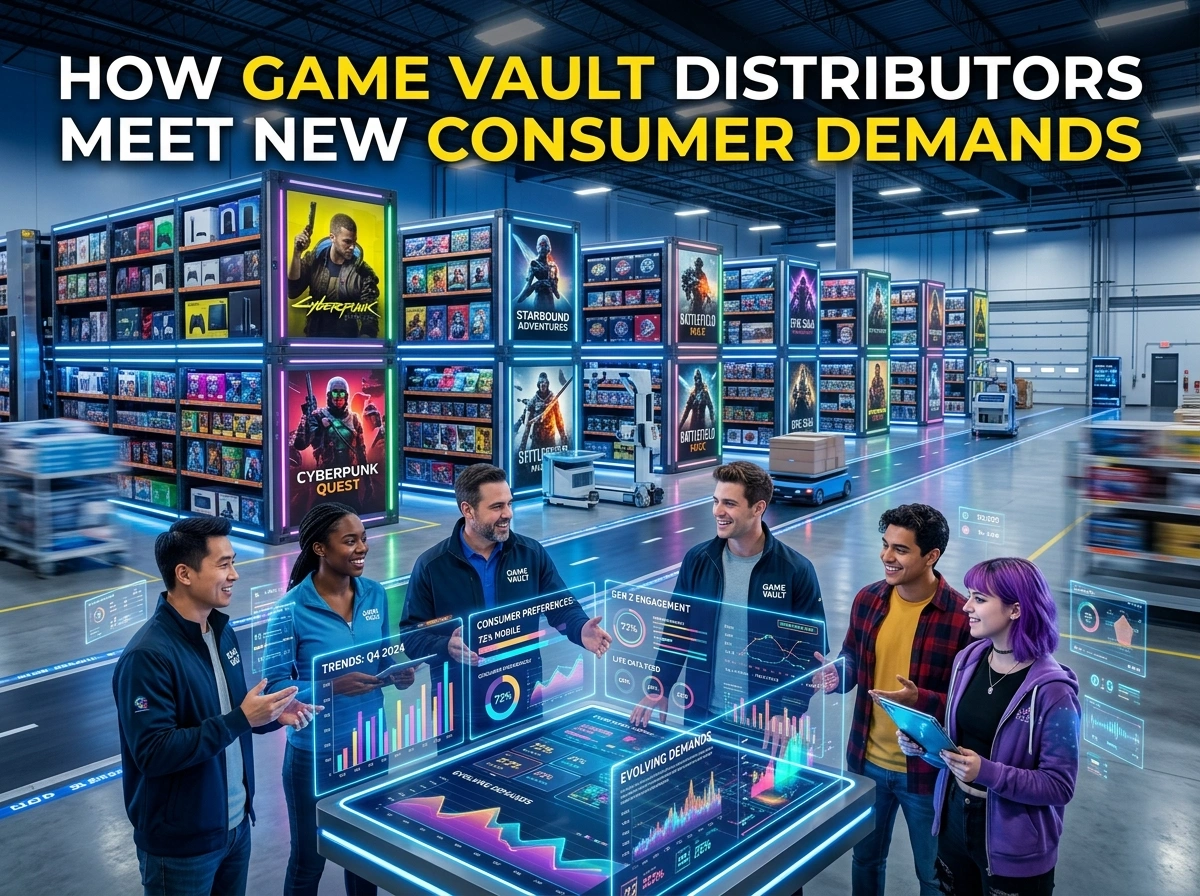
bThe digital entertainment landscape is undergoing a massive shift. Players today expect seamless experiences, instant access to games, and responsive customer service. As these expectations rise, companies operating within the digital gaming sector must evolve to maintain their market position. This shift is particularly evident in the mobile gaming network space, where flexibility and speed are paramount.
For professionals managing local or regional gaming networks, relying on outdated business models is no longer viable. The modern player demands high-definition graphics, uninterrupted gameplay, and platforms that offer robust security alongside instant support. Consequently, network operators are forced to rethink their approach, moving away from passive management toward proactive, technology-driven strategies.
At the center of this transformation is the way distribution networks operate. By leveraging advanced tools, flexible credit packages, and comprehensive marketing support, modern operators are finding new ways to satisfy player cravings. This article explores the specific strategies these professionals use to navigate shifting consumer demands, ensuring long-term profitability and sustainable business growth.
Understanding Consumer Demands in the Digital Era
The contemporary gaming audience is fundamentally different from the player base of a decade ago. Today, players possess a wealth of options, meaning their tolerance for poor user experiences, slow loading times, or unhelpful support is practically zero.
The Need for Instant Gratification
Modern consumers expect immediate results. When a player wants to access a game or load credits, they anticipate a frictionless process. Any delay in onboarding or account management can lead to frustration and churn. Therefore, gaming networks must provide infrastructure that supports instant account setups and streamlined onboarding processes.
Demand for High-Quality Content
Players are no longer satisfied with basic graphics or repetitive gameplay. They seek premium, high-definition game collections that offer immersive experiences. Operators must ensure their libraries are consistently updated with exclusive games that keep users engaged and coming back for more.
Security and Trust
With digital transactions becoming the norm, players prioritize platforms that guarantee the safety of their data and funds. Building trust requires transparent operations, reliable payout systems, and verifiable support mechanisms. A network that fails to establish this trust will quickly lose its player base to more secure competitors.
Leveraging Technology to Stay Ahead
To meet these high expectations, industry professionals are turning to advanced technological solutions. Managing a large network of players manually is inefficient and prone to errors. Instead, operators utilize sophisticated agent management tools to oversee their businesses effectively.
Advanced Dashboards
A crucial component of modern gaming management is the use of comprehensive dashboards. These interfaces allow operators to track credits, monitor player activity, and analyze overall performance metrics in real time. By having immediate access to this data, operators can make informed decisions, identify trends, and address potential issues before they escalate.
Streamlined Financial Operations
Flexible credit packages and competitive pricing models are essential for maximizing profitability. Technology enables seamless credit transfers between operators and players, ensuring that financial transactions are handled swiftly and accurately. This efficiency not only satisfies the player’s need for speed but also reduces the administrative burden on the operator.
Adapting Distribution Models for Modern Players
The traditional approach to game distribution often relied on static methods. Today, agility is the key to success. Operators are scaling their businesses by adopting dynamic distribution models that cater to varying market segments.
Building Scalable Networks
Whether operating a single digital storefront or building a massive regional distribution network, scalability is critical. Operators achieve this by partnering with platforms that offer robust infrastructure. If you are looking to scale your operations, becoming a Game Vault Distributor provides access to the necessary framework, including exclusive games and dedicated support, to build a highly profitable business.
Utilizing Comprehensive Marketing Resources
Attracting new players in a crowded market requires strategic marketing. Successful operators leverage high-quality promotional materials, social media assets, and video content to capture attention. By utilizing pre-designed marketing packs, operators can maintain a professional brand image and launch effective campaigns without needing an in-house design team.
The Role of Customer Support and Engagement
Customer service is a major differentiator in the digital gaming industry. A player’s experience is heavily influenced by how quickly and effectively their issues are resolved.
Providing 24/7 Assistance
Gaming is a global, round-the-clock activity. Issues can arise at any time, and operators must be prepared to handle them promptly. Providing priority access to dedicated support teams ensures that player downtime is minimized. This level of responsiveness builds loyalty and encourages long-term retention.
Verified Support Channels
In an industry where digital security is a concern, ensuring that players communicate through official, verified channels is vital. Operators must establish clear communication protocols, utilizing secure messaging apps to assist players safely. This practice not only protects the player but also safeguards the operator’s reputation.
Future Trends in the Gaming Network Space
The digital gaming sector will continue to evolve, driven by technological advancements and shifting player behaviors. Operators who anticipate these changes will be best positioned for future success.
Enhanced Personalization
Future platforms will likely leverage data analytics to offer highly personalized gaming experiences. By understanding individual player preferences, operators can recommend specific games, tailor promotional offers, and create a more engaging environment.
Integration of Emerging Technologies
As technologies like augmented reality (AR) and advanced artificial intelligence (AI) become more accessible, they will undoubtedly find their way into mobile gaming networks. Operators must remain adaptable, ready to incorporate these innovations to provide cutting-edge experiences to their player base.
Mastering Agility in a Dynamic Market
The digital gaming industry rewards those who are willing to adapt. Consumer demands for high-quality content, instant access, and reliable support are driving a significant transformation in how gaming networks operate. By utilizing advanced management tools, implementing scalable distribution models, and prioritizing customer engagement, operators can build thriving, profitable businesses.
The most successful professionals understand that complacency is the enemy of growth. To maintain a competitive edge, continuous evaluation of market trends and player feedback is essential. By staying informed and utilizing the robust infrastructure available through modern gaming platforms, operators can confidently navigate the future of digital entertainment.