Walk into any dispensary across the country, and you’ll be greeted by the same vocabulary. “Relaxing indica.” “Energizing sativa.” “Uplifting hybrid.” These words appear on labels, menus, and packaging from California to Maine. They sound helpful. They feel scientific. But here’s the uncomfortable truth: many of these descriptions tell you very little about how a strain will actually affect you.
As legal cannabis spreads across more states and the market matures, consumers are getting smarter. People want real answers, not recycled marketing slogans. That shift is pushing the industry toward something better: honest, data-driven reporting that reflects how cannabis truly works.
Let’s break down why the old labels fall short and how you can use authentic strain data to make better choices.
The Problem With “Indica” and “Sativa”
For decades, the cannabis conversation has revolved around two words. Indica supposedly relaxes you and locks you to the couch. Sativa supposedly energizes you and sparks creativity. Simple, right?
The problem is that this framework is mostly a myth. Originally, “indica” and “sativa” described the physical shape and growing region of cannabis plants, not their effects on humans. Over time, marketers borrowed these botanical terms and turned them into promises about how you’d feel.
Modern science doesn’t support the clean split. Researchers who study cannabis chemistry have repeatedly found that two strains both labeled “sativa” can have wildly different chemical makeups. Meanwhile, a so-called indica might behave more like its supposed opposite. Today’s strains are also heavily crossbred, so the labels have drifted even further from any real meaning.
When you buy based on these buzzwords alone, you’re essentially flipping a coin. You might get the experience you wanted. You might not. And in a country where regulations, products, and quality vary dramatically from state to state, that guesswork gets even riskier.
What Actually Determines a Strain’s Effects
If indica and sativa aren’t the answer, what is? The real story lives in a strain’s chemical profile, specifically its cannabinoids and terpenes.
Cannabinoids: More Than Just THC
Most people know THC, the compound responsible for the high. But THC is only part of the picture. CBD, CBG, CBN, and other cannabinoids all influence how a strain feels. A high-THC strain with no CBD will hit very differently than one with a balanced ratio. Some cannabinoids can soften anxiety, others may promote sleep, and the combination matters just as much as the totals.
Terpenes: The Hidden Drivers
Terpenes are the aromatic compounds that give cannabis its smell and flavor. They also play a major role in its effects. Limonene, with its citrus scent, is often linked to mood lift. Myrcene, common in many relaxing strains, may contribute to that heavy, sedative feeling. Pinene smells like pine and is associated with alertness.
When cannabinoids and terpenes work together, they create what’s known as the “entourage effect.” This means the full chemical orchestra produces a result that no single compound could on its own. That’s why reading a real lab profile tells you far more than a one-word label ever could.
Why Consumer Experiences Often Beat Label Claims
Here’s something the industry doesn’t always advertise: what’s printed on the package and what you actually feel can be two very different things.
Lab testing helps, but it has limits. Potency numbers can vary between labs, and some results have been inflated to make products look stronger. Even accurate chemistry can’t predict exactly how your unique body will respond. Your tolerance, metabolism, mood, and even the time of day all shape the outcome.
This is where real consumer feedback becomes priceless. When thousands of people report how a specific strain affected them, patterns emerge that no marketing copy can fake. You start to see honest themes: this strain tends to ease stress, that one keeps people up at night, another helps with focus during the day.
Crowd-sourced data fills the gap between what a label promises and what genuinely happens. It reflects the diverse, real-world experiences of cannabis users across different regions, ages, and tolerance levels. In a country as varied as ours, that breadth of input matters.
How strain.report Puts Real Data in Your Hands
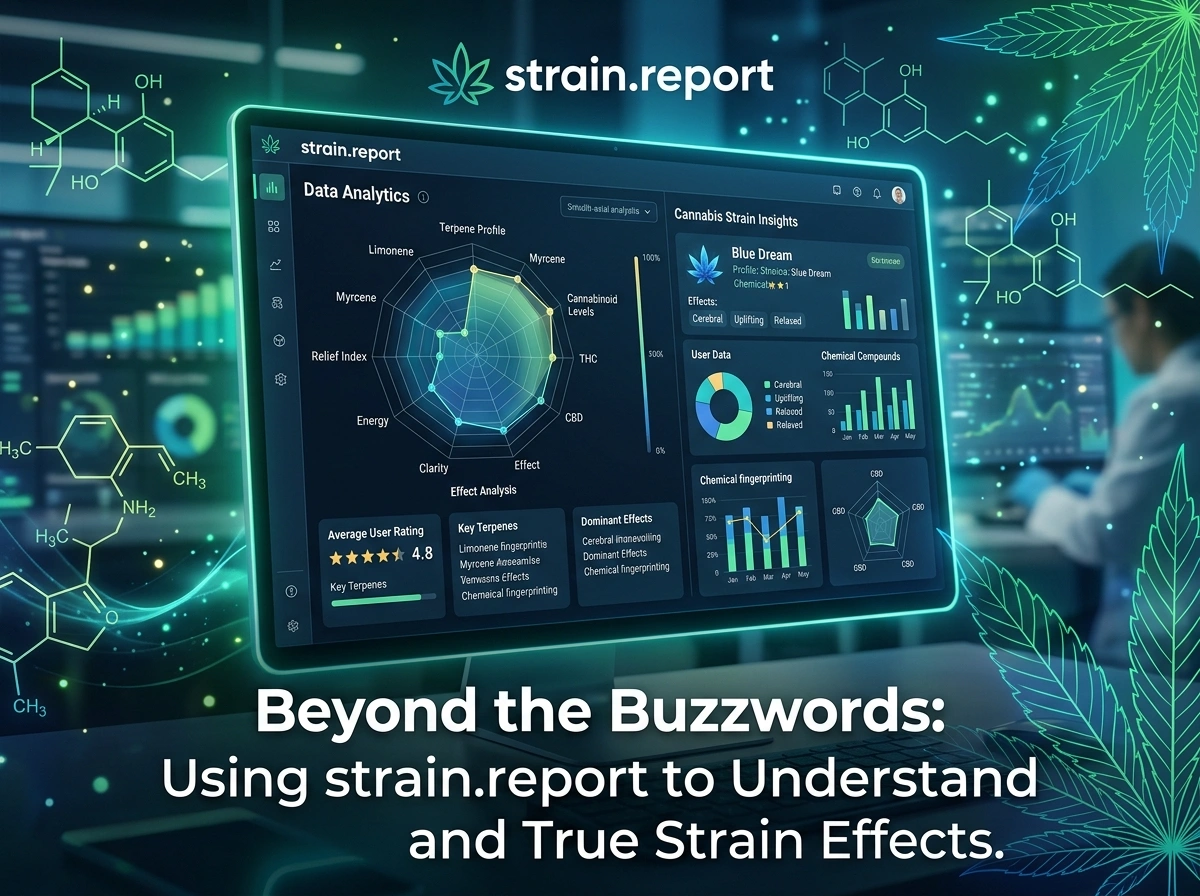
This is exactly the problem that platforms built around authentic reporting aim to solve. Instead of relying on vague marketing terms, strain.report gathers real, crowd-sourced experiences from actual users to paint an honest picture of how strains perform.
The value here is straightforward. When you can browse genuine reports from a wide community, you stop guessing and start making informed decisions. You can compare what people consistently report about a strain’s effects, duration, and best use cases. You can spot whether a strain marketed as “relaxing” actually delivers, or whether the community tells a different story.
This approach reflects a broader shift toward transparency that today’s consumers demand. People want proof, not promises. They want data that respects their intelligence and their individual needs. A platform powered by community input does exactly that, turning scattered personal experiences into a useful, searchable resource.
For both new users and seasoned consumers, this kind of authentic reporting builds trust. It treats cannabis like the nuanced product it is, rather than reducing it to two outdated categories.
How to Use Strain Data Like a Pro
Ready to move beyond the buzzwords? Here’s a practical approach to reading strain information the smart way.
Start with the chemical profile. Look for the cannabinoid breakdown and the dominant terpenes. These numbers tell you more than any marketing label.
Match terpenes to your goals. If you want focus, look for strains where users and lab data point toward alertness-promoting terpenes. If you want rest, seek out the compounds associated with relaxation.
Read the community reports. Pay attention to recurring themes across many reviews rather than a single outlier opinion. Consistency is your friend.
Account for yourself. Remember that your tolerance and body chemistry are unique. Use community data as a guide, then adjust based on your own experience.
Stay within your local rules. Cannabis laws differ from state to state. Always make sure you’re purchasing legally and from compliant, licensed sources.
The Future Is Transparent
The cannabis industry is growing up. As more states embrace legalization and consumers become more sophisticated, the demand for honest information will only increase. The brands and platforms that win will be the ones that respect their customers enough to tell the truth.
Buzzwords had their moment. They were easy, catchy, and good enough when the market was young. But “indica” and “sativa” can’t carry the weight of real decisions anymore. Today’s users deserve better, and the tools now exist to deliver it.
By understanding cannabinoids, paying attention to terpenes, and leaning on real consumer-reported data, you put yourself in control. You stop relying on slogans and start relying on evidence.
The next time you shop, look past the pretty packaging and the familiar buzzwords. Dig into the data, listen to the community, and trust the experience of people just like you. That’s how you discover what a strain truly does, and that’s how you make choices you can feel good about.